If you’re buying a home, you’re probably already thinking about the roof, the HVAC system, and the foundation. But there’s one critical system hiding beneath your yard that often gets skipped: the sewer line. A sewer scope inspection is one of the most valuable add-ons a homebuyer can invest in, and it’s one that could save you from a very expensive surprise after closing.
What Is a Sewer Scope Inspection?
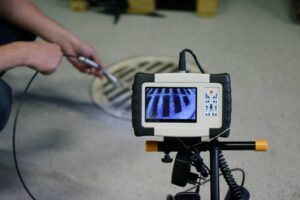
A sewer scope inspection is a diagnostic service where a trained inspector inserts a flexible camera into the sewer line to visually evaluate its condition from the interior. The camera travels from a clean-out access point (or a toilet) through the pipe and all the way out to the municipal connection at the street.
The goal is simple: find any problems inside the pipe before they become your problem as the new homeowner. The inspector can see in real time what’s going on inside a line that would otherwise be completely inaccessible without expensive excavation.
What Does this Inspection Look For?
During a sewer scope inspection, the camera can reveal a wide range of issues that a standard home inspection simply cannot detect. Inspectors look for root intrusion from nearby trees, which is extremely common in established Texas neighborhoods. The camera can also identify cracks, fractures, or collapsed sections of pipe, as well as buildup from grease, scale, or debris that restricts flow. In older homes, sagging or “bellied” sections of pipe that collect waste and lead to recurring clogs are another frequent find. The inspection can also detect offset joints, where pipe segments have shifted out of alignment due to soil movement or settling.
Why Sewer Scope Inspections Matter in North Texas
The Dallas-Fort Worth area has expansive clay soils that shift considerably with moisture changes throughout the year. This movement puts underground pipes under constant stress, making sewer line problems more common here than in many other parts of the country. Older homes built before the 1980s often have clay or cast iron sewer lines that are decades past their intended lifespan. Even newer construction can have installation defects that go undetected until the home is in full use.
A sewer scope inspection is particularly valuable for any home over 20 years old or any property with large mature trees in the yard. That said, it’s a smart investment for any home purchase regardless of age.
How the Process Works
The inspection itself is non-invasive and typically takes less than an hour. An inspector inserts the camera through a ground-level clean-out access point, and the footage is recorded for review. You’ll be able to see exactly what the camera sees, and your inspector will walk you through any areas of concern. A written report with footage is provided so you have documentation to reference during negotiations or for future reference.
There’s no digging, no mess, and minimal disruption to the property.
How a Sewer Scope Inspection Can Save You Money
Sewer line repairs are among the most expensive fixes a homeowner can face. Depending on the severity and location of the damage, repairs can range from a few hundred dollars for a simple cleaning to tens of thousands for a full line replacement. If a sewer scope inspection uncovers a significant problem before closing, you have options. You can negotiate a price reduction, request that the seller make repairs, or decide to walk away entirely. None of those options are available to you after you’ve signed the closing documents.
Think of a sewer scope inspection as an insurance policy that costs far less than the claim it might prevent.
When Should You Schedule One?
The best time to schedule a sewer scope inspection is during your due diligence period, right alongside your general home inspection. That way, if an issue is found, you still have time to negotiate with the seller or consult with a plumber about repair costs before your option period expires.
Frequently Asked Questions
How much does a sewer scope inspection cost?
The cost is typically modest compared to the potential savings. Pricing varies based on the property and access points, but it’s generally one of the most affordable add-on services available. Contact A-Level Home Inspection for current pricing in the DFW area.
Is a sewer scope inspection included in a standard home inspection?
No. A standard home inspection covers the visible and accessible components of a home. The sewer line runs underground and requires a specialized camera system, so it is always a separate service. It’s highly recommended to add it to any home inspection order.
How long does a sewer scope inspection take?
Most sewer scope inspections are completed within 30 to 60 minutes, depending on the length and accessibility of the sewer line.
Can a sewer scope inspection find all sewer line problems?
The camera provides a clear interior view of the pipe, which allows inspectors to identify the most common and significant issues. In some cases, a plumber may recommend additional testing such as a hydrostatic test to check for leaks that a visual inspection alone might not confirm.
Do new construction homes need a sewer scope inspection?
Yes, new construction is not immune to sewer line defects. Installation errors such as poor slope, damaged pipe, or improper connections can all be present even in a brand-new home. A sewer scope inspection on a new build is a smart precaution before your builder’s warranty expires.
What happens if the sewer scope inspection finds a problem?
If an issue is discovered, your inspector will document it clearly in the report with video footage. From there, you can share the findings with a licensed plumber for a repair estimate and use that information during negotiations with the seller. You remain in full control of how you want to proceed.
Don’t leave one of your home’s most critical systems to chance. At A-Level Home Inspection, we’re here to give you the full picture before you close. Schedule your inspection today and buy with confidence.