Electrical safety is one of those topics that doesn’t get nearly enough attention until something goes wrong. The truth is, electrical hazards are one of the leading causes of house fires and injuries in the home, and most of them are completely preventable. The good news is that protecting your home and family doesn’t require an electrician on speed dial. A little awareness and a few habits go a long way toward keeping your home’s electrical system safe and reliable.
What Every Homeowner Should Know About Electrical Safety
Understanding the basics of your home’s electrical system is the first step toward preventing problems. Most homes run on a 120/240-volt system that distributes power through a main panel, which contains circuit breakers designed to trip when a circuit is overloaded. These breakers are your first line of defense, but they can’t catch every potential hazard on their own. Knowing where your panel is located and how to safely reset a tripped breaker is knowledge every homeowner should have.
Know the Warning Signs of Electrical Problems
Catching issues early is one of the most effective electrical safety measures you can take. Flickering lights, frequently tripping breakers, warm or discolored outlet covers, burning smells, and buzzing sounds from walls or outlets are all red flags that something isn’t right. These symptoms often point to overloaded circuits, faulty wiring, or loose connections, problems that tend to get worse over time if ignored. If you notice any of these signs, it’s worth having a licensed electrician take a look before the situation escalates.
Outlet and Appliance Safety at Home
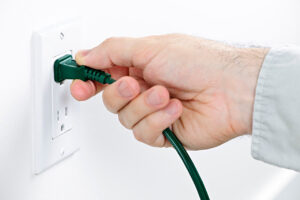
Everyday habits around outlets and appliances have a bigger impact on electrical safety than most people realize. Overloading outlets by daisy-chaining power strips or plugging too many high-wattage appliances into a single circuit is a common and dangerous mistake. Each circuit in your home is designed to handle a specific load, and exceeding that limit generates heat that could damage wiring over time.
Always use appliances with cords in good condition; frayed or cracked cords are a serious hazard and should be replaced immediately rather than taped over. In kitchens, bathrooms, garages, and outdoor areas, make sure outlets are GFCI-protected. These ground fault circuit interrupter outlets are designed to cut power instantly when they detect an imbalance, dramatically reducing the risk of shock near water sources.
When to Call a Professional
DIY projects are a great way to save money around the house, but electrical work is one area where knowing your limits matters. Upgrading panels, running new circuits, replacing outlets, or addressing any wiring that’s aluminum rather than copper are all jobs best left to a licensed electrician. Improper electrical work is not only dangerous, but it could create liability issues when it comes time to sell your home.
Make Electrical Safety Part of Your Home Maintenance Routine
Just like changing HVAC filters or cleaning gutters, electrical safety checks should be part of your regular home maintenance routine. Test GFCI outlets monthly using the test and reset buttons, check smoke detector batteries twice a year, and schedule a professional electrical inspection every few years, or before purchasing a home. If your home is more than 30 to 40 years old and hasn’t had an electrical update, an inspection is especially important, as older wiring systems may not meet current safety standards.
A safe home is a comfortable home, and staying proactive about electrical safety is one of the smartest investments a homeowner can make.
 Schedule your home inspection today! 940-843-9739
 A-Level Home Inspection – DFW’s Trusted Home Inspection Service
 https://www.a-levelhomeinspection.com
 Serving Dallas-Fort Worth and surrounding areas